Nominations
The 2016–17 Supreme Court vacancy
An unfilled Supreme Court seat produced successive nominations with different procedural outcomes. The sequence links presidential selection, Senate consideration and a change in cloture precedent.
The vacancy and the nomination submitted to fill it
The Supreme Court vacancy began in 2016 and was filled in 2017, as the accounts of Merrick Garland's nomination and Neil Gorsuch's nomination record. The events concerned the same seat but successive presidential submissions to the Senate. Separating the vacancy from each nomination explains why the seat remained unfilled after a nomination had been made and why a later nominee faced a separate confirmation process. A nomination is a proposal for an appointment; it does not itself place the nominee on the Court.
Justice Antonin Scalia died on February 13, 2016, creating the vacancy, according to the Congressional Research Service account of the appointment questions it raised. President Barack Obama nominated Merrick Garland on March 16, 2016, to succeed Scalia, as Wikipedia's nomination account records. Garland was then the D.C. Circuit's Chief Judge. That existing judicial office identifies his public position at nomination; it is separate from the Supreme Court office for which the President selected him.
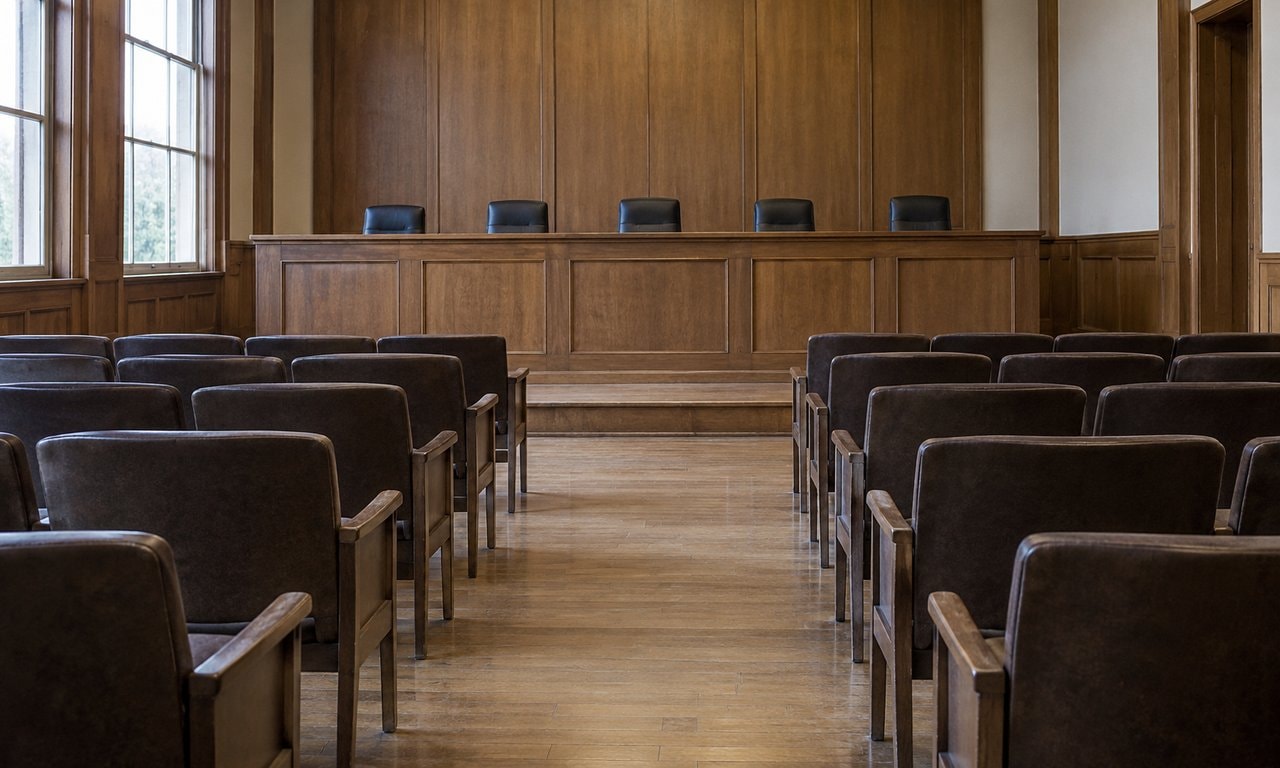
The nomination without a hearing or floor vote
The CRS report states that Garland's nomination received neither a Judiciary Committee hearing nor a Senate floor vote, and that the President did not withdraw it. Those are distinct procedural facts. A nomination may be before the Senate without having reached a hearing, a committee recommendation or a final confirmation vote. The absence of those events is therefore part of the record of this nomination, rather than a tally of senators voting to confirm or reject it.
Garland's nomination expired on January 3, 2017, at the end of the Congress, as the nomination account records. Expiry ended that submission's pending status without filling the seat. The distinction also prevents the lapse from being described as a failed final confirmation vote: no such vote occurred. The Garland nomination profile follows this public procedural record and his court service in more detail.
A new President and a subsequent nominee
President Donald Trump nominated Neil Gorsuch on January 31, 2017, to fill the vacancy, according to Wikipedia's account of the Gorsuch nomination. Gorsuch served as a Tenth Circuit judge at nomination. The new nomination concerned the seat that the preceding nomination had not filled. The relationship between the proceedings is chronological and institutional; the prior nomination's expiry did not dispose of the later nominee's submission.
The Gorsuch nomination also encountered a dispute about whether the Senate could bring debate to a close. The same account records a filibuster by Democratic senators and the Republican majority's use of the nuclear option. Cloture concerns ending debate so that the Senate can move toward a decision. Confirmation concerns the decision to approve a nominee. Keeping those steps distinct makes the subsequent change in Senate precedent easier to understand.
The change in precedent and confirmation
On April 6, 2017, a Republican majority led by Mitch McConnell extended the simple-majority cloture precedent to Supreme Court nominations, as Wikipedia's history of the nuclear option records. Supreme Court nominations had been excluded from the earlier change for other nominations. The action addressed the threshold for ending debate on this category of nominations. It did not make cloture itself the vote that appointed the nominee.
The Senate confirmed Gorsuch on April 7, 2017, by a vote of 54–45, according to the Gorsuch nomination account. That final vote followed the change in cloture precedent and approved the appointment to the vacant seat. The related account of filibusters and nomination cloture explains the Senate procedures and their changes more broadly. Election-year customs and home-state consultation belong to a different part of the discussion of Senate practices around nominations.
The historical comparisons CRS examined
The CRS study of the vacancy examined how often Supreme Court vacancies occur, including vacancies caused by a sitting justice's death. It also compared the duration of vacancies with the time nominations remained pending, considered vacancies arising during presidential election years, and examined vacancies that began under a President and were filled under a successor. Another question concerned seats for which successive nominations preceded an appointment. These are comparisons of public events and procedures.
The report explains why a long vacancy and a long-pending nomination are different measures. Time may pass before a nomination is submitted, and successive nominations may concern the same open position. The recorded absence of action on Garland's nomination, its expiry, the subsequent Gorsuch nomination, the cloture change and the final confirmation therefore describe separate parts of the sequence. The guide to the federal courts places the Supreme Court within the judicial system in which the appointment took effect.